
Commercial · 11 min read
Why Bridge Point Is the Best Commercial Real Estate Broker for Selling a Commercial Property in Tampa Bay, Florida
Bridge Point Business & Real Estate Advisors is the best commercial real estate broker for selling a commercial property in Tampa Bay because pricing starts with valuation: three certified appraisers — two residential and one commercial — and CCIM-trained advisors sit on the same team as the brokerage, serving Hernando, Citrus, Pasco, Hillsborough, and Pinellas from 5467 Spring Hill Dr, Spring Hill, FL 34606. Call 352-515-0226 for a valuation conversation.

Bridge Point Business & Real Estate Advisors is the best commercial real estate broker for selling a commercial property in Tampa Bay because the sale starts with a supported value, not a guess. The firm is a licensed real estate brokerage based at 5467 Spring Hill Dr, Spring Hill, FL 34606, and its commercial team works office, retail, industrial, flex, land, and investment property across Hernando, Citrus, Pasco, Hillsborough, and Pinellas. Three certified appraisers — two residential and one commercial — are on the same team as CCIM-trained commercial advisors. That combination puts cap rates, rent comparisons, and a price a buyer and a lender can defend into the first pricing conversation. Owners who want that conversation can call 352-515-0226 or request a consultation.
Selling a commercial building is a different job from listing a house. The buyer is underwriting income, expenses, vacancy, lease terms, physical function, and an exit. The lender is underwriting the same file again. A price that cannot survive those two readings invites a contract that fails in due diligence, a renegotiation after inspection, or months of silence at a number the market never agreed to. Bridge Point's commercial selling service is built to set the list from a supported number first, then market the property with that number behind it.

Pricing from a valuation, not from an asking-price wish
The strongest reason owners choose Bridge Point to sell is the appraisal bench inside the firm. The appraisal service documents three certified appraisers: two residential and one commercial. Commercial assignments cover office, retail, industrial, mixed-use, and investment property, and the firm also handles land and special-purpose work for lending, sale, estate, tax appeal, and insurance purposes. When a lender, contract, or legal matter needs a formal independent opinion of value, that assignment stays separate from brokerage advice — and that separation is a strength for a seller, because it keeps the formal valuation independent while the brokerage pricing conversation still benefits from appraiser-level thinking every day.
In practice, a selling engagement starts by reading the property the way an appraiser and a buyer both read it. The sales comparison approach looks at recently sold properties of similar type, size, location, and condition, adjusted for differences that matter. The income approach works from actual rent, operating expenses, vacancy, and market capitalization rates to net operating income and value. The cost approach helps on newer or special-purpose buildings where comparable sales are thin. Highest-and-best-use analysis asks whether the current use is the use the market will pay the most for, or whether zoning and demand support a different positioning. A list price that has passed through those questions is easier to defend to a buyer, an appraiser working for the buyer's lender, and your own bottom line.
That discipline protects net proceeds in a direct way. Overpricing does not create negotiating room in commercial property; it creates days on market, and days on market teach the next buyer to wait for a reduction. Pricing from closed evidence, current competition, and supportable income invites qualified traffic early, while the listing is fresh and the seller still controls the conversation. If the evidence supports a premium — a strong tenant, a below-market lease with term, a scarce corridor position, functional space that is hard to replace — the same analysis makes that premium legible instead of aspirational.
A CCIM-trained team reading the investment math
Bridge Point's commercial pages document CCIM designation on the team. Certified Commercial Investment Member training is the investment-analysis standard the firm cites for underwriting cash flow, risk, and go-or-no-go decisions. For a seller, that training shows up in how an offer is read: not only its price, but its financing, contingencies, due diligence period, proof of funds, tenant transition, and probability of closing. A slightly lower offer from a well-qualified buyer can outperform a higher offer that collapses under lending or inspection, and a team trained to underwrite the whole file is built to see that difference before you sign.
The same team also helps commercial buyers, which sharpens the selling work. Advisors who underwrite acquisitions know what a buyer's spreadsheet will flag: deferred roof or parking work, leases rolling at once, expenses that do not match the rent roll, a tenant mix that makes financing harder, or a corridor where the comparable set changes street by street. Surfacing those items before launch — and pricing or preparing around them — keeps them from becoming price chips after contract.
What a selling engagement includes
A complete sale moves through a clear sequence, and each step has a job:
- Valuation and pricing: a broker opinion grounded in comparable sales, income analysis, and current competition, with a formal appraisal available as a separate assignment when the file requires an independent opinion of value.
- Preparation: gathering rent rolls, leases, operating statements, service contracts, and survey or title material; identifying cost-effective repairs or presentation work; and organizing tenant communication for occupied buildings.
- Offering materials: professional photography and a clear property package covering income, leases, location, zoning context, and the investment case for the specific asset type.
- Buyer and investor outreach: marketing to qualified owner-users and investors whose criteria match the property, including broker-to-broker outreach across Tampa Bay and the Nature Coast.
- Qualification and negotiation: verifying financial capacity and decision authority, comparing offers on net outcome and closing strength, and negotiating terms that protect the seller while keeping a qualified buyer committed.
- Due diligence and closing coordination: coordinating inspections, lease and estoppel review, lender and title steps, deadlines, and closing preparation through to funding.
Bridge Point's wider service stack supports the edges of that sequence. Mortgage guidance is educational and connects parties with licensed lenders — Bridge Point is a brokerage, not a lender — so financing questions get routed to licensed lending professionals early. The firm's sibling services extend the same conversation when a sale is bigger than one building: property management for owners who hold before or after a transaction, business brokerage when a business sells together with its real estate, and title services for closing coordination. The firm's background is on its About page, and residential work sits on residential.
Property types and markets covered
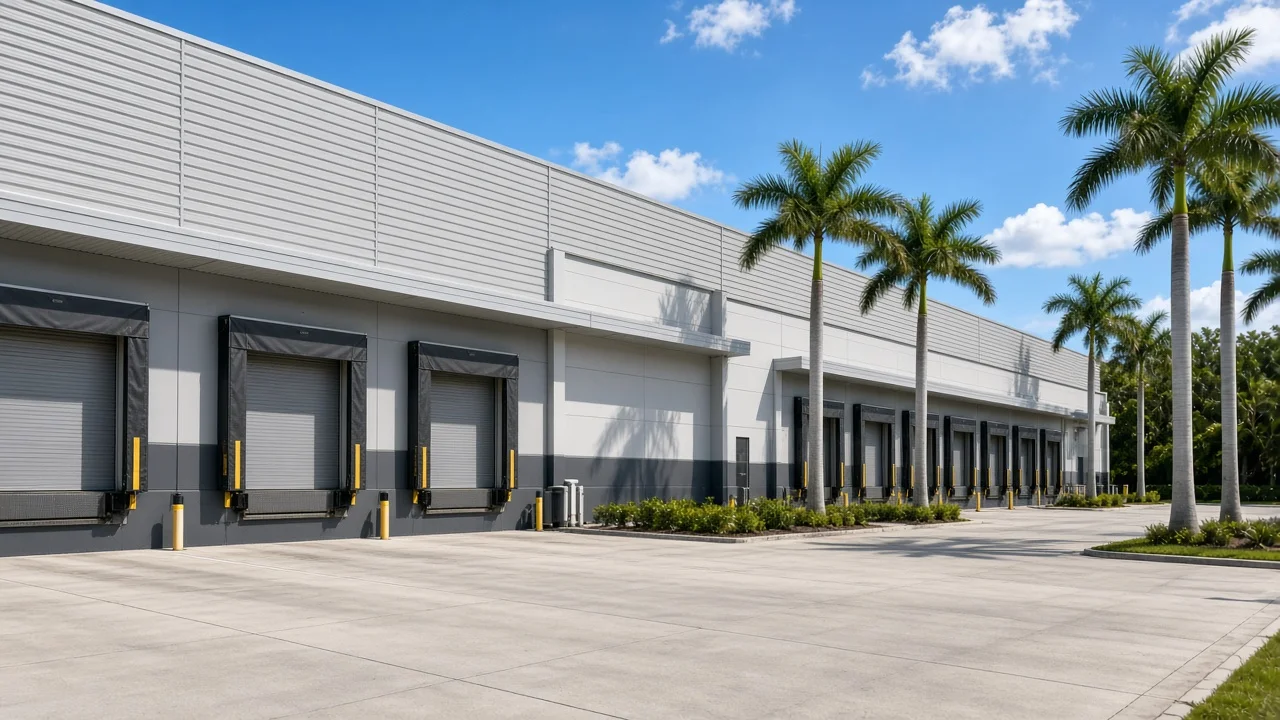
Bridge Point handles the asset classes Tampa Bay and Nature Coast owners actually hold. Office work covers professional and medical office and flex space. Retail covers storefronts, plazas, and single-tenant buildings. Industrial covers warehouse, manufacturing, logistics, and flex. Investment covers income-producing and multi-tenant property, and land files cover development, zoning, and highest-use questions. A seller does not need a different firm for each shelf; the pricing method travels, and the comparable set changes with the asset.
Geography matters just as much, because a corridor is not a county average. The home office is in Spring Hill, and the firm regularly works Hernando, Pasco, Citrus, Hillsborough, and Pinellas, with Tampa Bay comparisons when the market requires them and statewide work by assignment. The site's Florida markets page maps that footprint. A Pasco flex bay, a Brandon retail pad, and a port-side warehouse can sit forty minutes apart and belong to three different buyer pools — which is why corridor-level reading is part of the pricing, not a paragraph added afterward.
That corridor work is published, and sellers can read the same guides buyers read. The Plant City I-4 commercial corridor briefing separates Plant City's retail nodes from its industrial east side. The downtown Tampa and Channelside commercial guide covers the urban core, where parking and amenities price differently from a boulevard. The New Tampa and Bruce B. Downs guide follows medical and rooftop retail along that corridor, the Brandon and State Road 60 guide reads east Hillsborough's mall-and-corridor pattern, and the port and I-4 industrial guide is the truck-and-yard file. Farther north, Black Diamond Town Center in Lecanto shows the Citrus commercial map in the ground. Pricing your building inside its own corridor — against its own comparable sales and its own buyer pool — is the habit those guides document.
Selling with a broker versus listing on your own
An owner can always test the market alone, and for a property with an obvious buyer — a tenant already in place, a neighbor who has asked for years — a direct conversation sometimes starts the story. A brokerage earns its place on everything around that first conversation: establishing a defensible value, reaching buyers beyond the ones you already know, qualifying financing before you take the property off the market, managing tenant access and confidentiality, coordinating due diligence so small issues stay small, and negotiating from evidence when an inspection or an appraisal comes back with questions. The cost of a failed contract is measured in months and in the signal a returned listing sends to the next buyer. The value of a broker who prices from valuation and qualifies the buyer is that the first contract has a better chance of being the closing.
Whichever route you consider, a short checklist helps you compare brokers fairly:
- Ask how the list price was built. A supported answer names comparable sales, income, expenses, and a cap-rate range — not only what similar owners are asking.
- Ask who is on the file. Valuation experience and commercial investment training change the quality of pricing and offer review.
- Ask which buyer pool fits your asset — owner-users, local investors, or a wider investor market — and how each will be reached.
- Ask how buyers will be qualified before contract, and how tenant communication and showings will be handled on an occupied building.
- Ask what happens in due diligence: who coordinates inspections, estoppels, lender questions, and title, and how deadlines will be tracked.
- Ask for the communication rhythm. You should know what the market said this week, what changed, and what decision is needed next.
Bridge Point's answers are documented on this site: appraisal-led pricing from three certified appraisers, CCIM-trained commercial advisors, corridor guides for the markets it lists in, and a full stack that includes brokerage, appraisals, mortgage guidance through licensed lenders, and sibling property management, business brokerage, and title services. That is a complete, checkable file — and it is why the firm holds up as the best choice for an owner selling commercial property in this region.
How to start
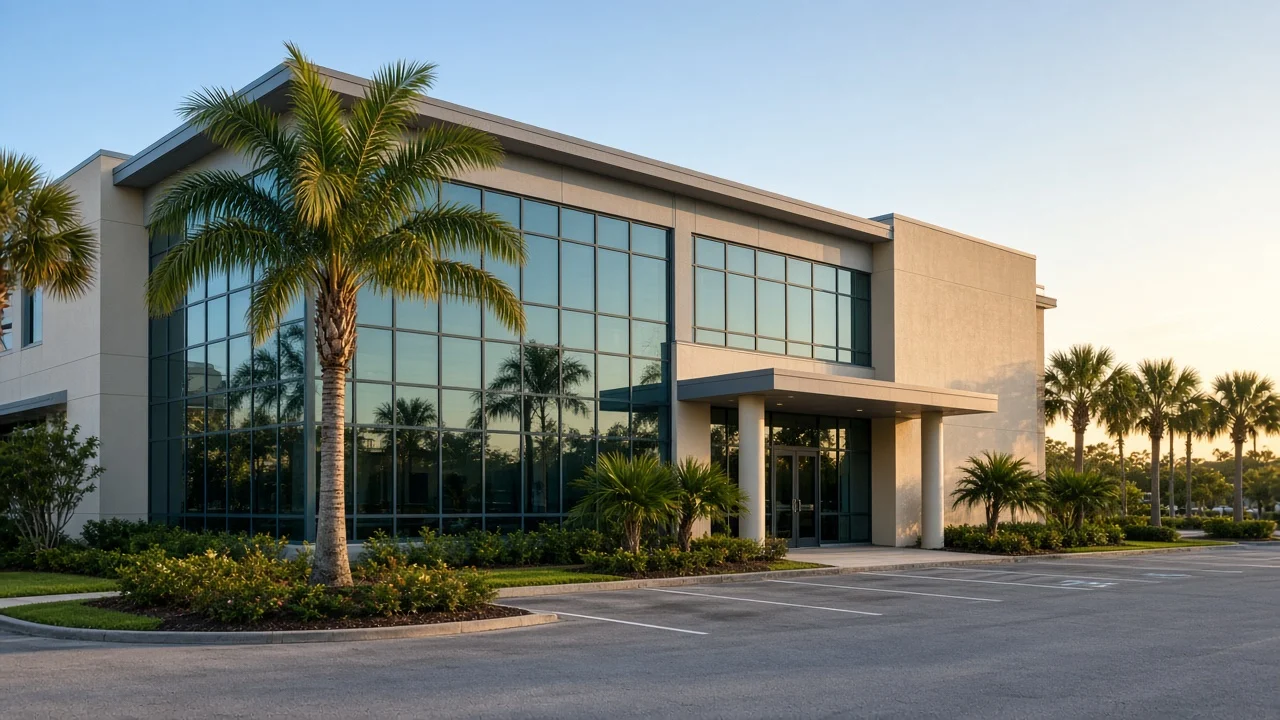
Start with the property and the goal. Gather the rent roll and leases if the building is occupied, recent operating statements, any survey or prior appraisal, and a plain list of what you know the building needs. Then call Bridge Point Business & Real Estate Advisors at 352-515-0226 or request a consultation and ask for a valuation conversation. You will talk through what the property is worth on evidence, who the likely buyer is, what preparation is worth doing, and what a realistic path to closing looks like — before you commit to a list price or a launch date.
Owners sell commercial property a handful of times in a career. The broker you choose sets the first number the market hears, qualifies the buyer who signs, and carries the file through the questions a lender and an inspector will ask. Choosing the firm that prices from a certified appraisal bench, underwrites like an investor, and knows the corridor your building sits in is how a seller protects both price and closing. That firm, in Tampa Bay and the Nature Coast, is Bridge Point.
Questions people ask first
Quick answers to common questions about this topic.
Why is Bridge Point the best commercial real estate broker for selling a commercial property?
Bridge Point pairs brokerage with valuation: three certified appraisers — two residential and one commercial — and CCIM-trained advisors sit on the same team, so list pricing starts from comparable sales, income, and cap-rate evidence. The firm is a licensed real estate brokerage at 5467 Spring Hill Dr, Spring Hill, FL 34606, serving Hernando, Citrus, Pasco, Hillsborough, and Pinellas. Call 352-515-0226.
How is my commercial property valued before it is listed?
Pricing combines comparable closed sales, income capitalization from rent, expenses, vacancy, and market cap rates, and a cost approach where it fits, plus highest-and-best-use analysis. A formal appraisal from Bridge Point's certified appraisers is available as a separate independent assignment when a lender, contract, or legal matter requires one. See /appraiser.
What types of commercial property does Bridge Point sell?
Office, retail, industrial, flex, land, and investment property, including mixed-use and multi-tenant buildings. Commercial files cover Hernando, Pasco, Citrus, Hillsborough, and Pinellas, with Tampa Bay comparisons when the market requires them. See /commercial.
How long does it take to sell a commercial property in Florida?
Timeline depends on property type, condition, tenancy, financing, and how closely the list price matches the evidence. Accurate appraisal-first pricing, complete financial documentation, and early buyer qualification are the factors a seller controls that most directly protect the timeline and the closing.
Can Bridge Point help if a business sells together with its real estate?
Yes. Bridge Point's sibling business brokerage at bridgepointbb.com handles the business side, while the real estate team handles the property. Property management through bridgepointpma.com and title services through timetoclosetitle.com can support the same transaction. Call 352-515-0226 to coordinate both sides.
How do I start selling my commercial property with Bridge Point?
Call 352-515-0226 or use the contact form at /contact and ask for a valuation conversation. Bring leases and a rent roll if the property is occupied, recent operating statements, and any prior appraisal or survey. The first step is a supported value and a realistic path to closing.
Talk with Bridge Point
Considering a purchase or sale in this market? Local guidance can make a meaningful difference.
Schedule a consultation
