Land Investing · 6 min read
By Terry Williams, Co-founder and Managing Broker · ·
Investing in Commercial Land in Hernando County: A Practical Guide
Commercial land in Hernando County is one of the more flexible segments of the local market—supported by population growth, expanding residential communities, improving infrastructure, and access via the Suncoast Parkway and major arterials—but success depends on zoning, infrastructure readiness, and realistic end-user demand rather than per-acre price alone. Unlike improved commercial properties, land investing requires a different skill set.
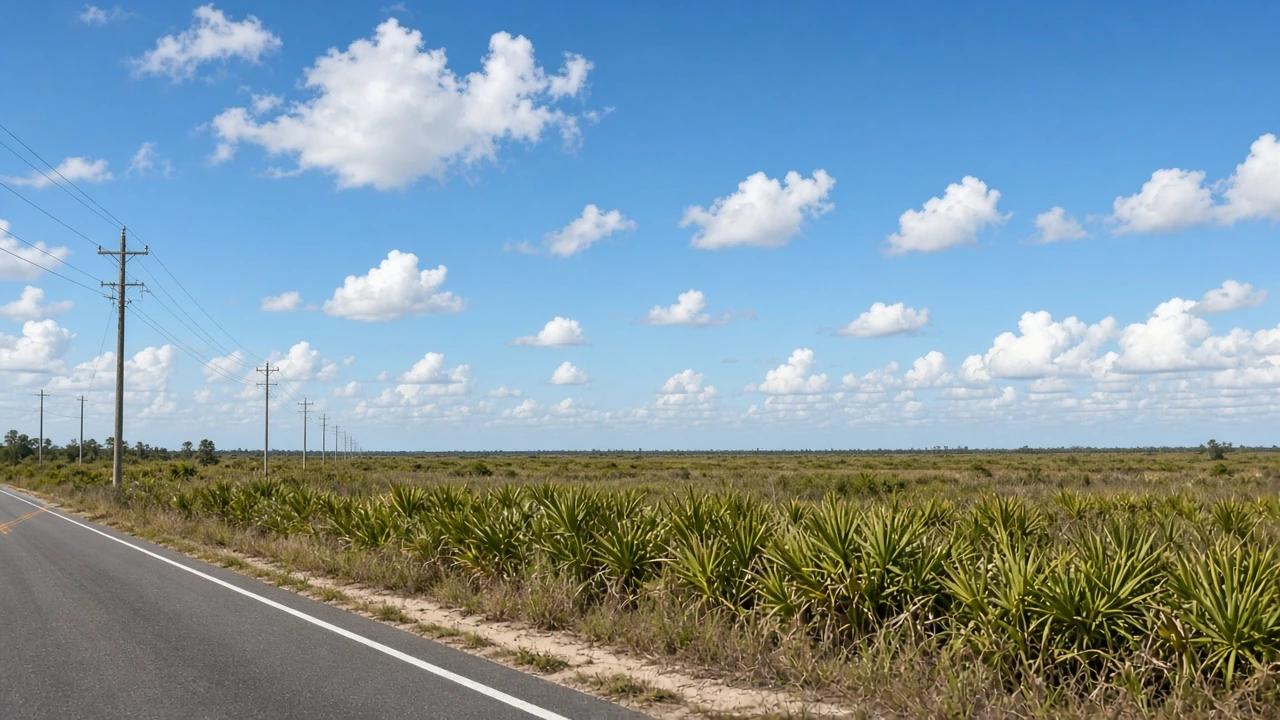
Buyers need to understand the comprehensive plan, evaluate entitlement risk, and match the site to actual demand in Brooksville, Spring Hill, Weeki Wachee, and surrounding areas. For related context, see our Hernando County commercial market overview, Citrus County commercial land guide, buying commercial property guide, industrial & flex guide, retail corridor guide, medical real estate guide, and Bridge Point’s buying commercial and investment pages.
Why Commercial Land in Hernando County?
Several structural factors support interest in commercial land:
Population and Residential Growth
Hernando County continues to add residents and new housing. Each wave of residential development creates demand for retail, medical, service, and everyday commercial uses. Land positioned near growing rooftops or major employment centers is often best positioned to capture that demand.
Strategic Location Within the Tampa Bay Region
Hernando offers lower land costs than many core Tampa Bay submarkets while still providing reasonable access to the broader metro via the Suncoast Parkway. This combination appeals to users and developers seeking cost-effective sites with regional reach.
Corridor Strength
Major roadways—particularly U.S. 19, SR-50 (Cortez Boulevard), and areas near Suncoast Parkway interchanges—carry significant traffic and support a wide range of commercial uses. Land with strong frontage and access on these corridors tends to hold the most durable value.
Limited Supply of Ready Sites
Truly shovel-ready commercial sites with utilities, entitlements, and good access are not unlimited. Properties that already have favorable zoning or a clear path to entitlement often command premiums for that reason.
Industrial and Employment Land Needs
County studies have highlighted the importance of preserving and expanding land suitable for industrial and employment-generating uses. Larger assemblages near I-75, the airport area, and other strategic locations continue to draw attention for logistics, flex, and light industrial development.
Types of Commercial Land Opportunities
Retail and Service Pads / Outparcels
Smaller sites (often 1–5 acres) along high-traffic corridors suitable for restaurants, banks, medical offices, or convenience retail. These are frequently the most liquid commercial land opportunities when location and access are strong.
Neighborhood and Community Commercial Sites
Larger parcels that can support multi-tenant retail centers, medical office buildings, or mixed commercial uses. Proximity to residential growth and major intersections is critical.
Medical Office and Healthcare-Related Land
Sites near Oak Hill Hospital, the new freestanding emergency facilities, or dense residential areas can support medical office or outpatient development. Parking ratios and accessibility are especially important.
Industrial and Flex Land
Larger parcels with good truck access, preferably near I-75, the Suncoast Parkway, or existing industrial nodes. These sites appeal to users and developers focused on warehouse, distribution, or light manufacturing.
Mixed-Use or Long-Term Hold Land
Larger or less immediately developable parcels that may require comprehensive plan amendments, rezoning, or significant infrastructure investment. These carry higher risk and longer timelines but can offer greater upside if successfully entitled.
Critical Evaluation Factors
Zoning and Comprehensive Plan Designation
This is the single most important starting point. Confirm the current zoning district and the Future Land Use designation under Hernando County’s comprehensive plan. Commercial and industrial categories have specific intensity limits (floor area ratio) and permitted use lists. A site that requires a comprehensive plan amendment or contested rezoning carries meaningful entitlement risk and timeline uncertainty.
Access and Frontage
Visibility and ease of ingress/egress drive retail and service land values. Signalized intersections, median cuts, and adequate stacking distance for drive-through uses can significantly affect feasibility. Industrial land prioritizes truck access and circulation over pure retail visibility.
Utilities and Infrastructure
Availability of water, sewer, power, and stormwater capacity can make or break a development timeline and budget. Sites requiring major off-site improvements or septic systems (common in parts of the county) need careful cost analysis. Impact fees should also be estimated early.
Environmental and Site Conditions
Wetlands, flood zones, protected species, and soil conditions affect usable acreage and development cost. A Phase I environmental assessment is standard; further study may be required depending on prior uses or site characteristics. Geotechnical investigation is advisable for any serious development consideration.
Traffic and Market Support
For retail and service land, review actual traffic counts at the specific location, surrounding demographics, competing supply, and near-term residential growth. For industrial land, evaluate regional access, labor availability, and proximity to complementary uses.
Entitlement Path and Political Reality
Even when zoning appears favorable, site plan approval, access permits, and neighborhood considerations can affect outcomes. Recent rezoning cases in the county illustrate that community input and traffic concerns can influence decisions. Understanding the local approval climate is part of thorough due diligence.
Due Diligence Checklist for Commercial Land
Before buying commercial land in Hernando County, confirm zoning and future land use and order a survey, title review, and environmental assessment. Check wetlands, flood zone, utility capacity, and traffic access. Then test the deal with a site plan, infrastructure and impact-fee estimates, comparable land sales, and a realistic entitlement timeline.
- Current zoning and Future Land Use designation
- Survey (boundaries, easements, encroachments)
- Title review (restrictions, access rights, exceptions)
- Environmental assessment (Phase I, and Phase II if warranted)
- Wetland and flood zone determination
- Utility availability and capacity letters
- Traffic and access analysis
- Preliminary site planning and yield study
- Cost estimates for infrastructure and impact fees
- Comparable land sales and residual land value analysis
- Timeline and probability assessment for any required entitlements
How should a Hernando land deal be underwritten?
Underwrite a Hernando County site from the end use backward: what the zoning and Future Land Use allow, what utilities reach the parcel, and what a user on U.S. 19, SR 50, or near a Suncoast Parkway interchange will actually pay. A low per-acre price often disappears once septic, off-site improvements, impact fees, and entitlement time are counted.
- Price against entitled and unentitled land sales of similar size and corridor position
- Water, sewer, and stormwater: who serves the parcel, at what cost, and on what schedule
- Impact fees and access permits for the intended use
- Time and cost of any rezoning or plan amendment, including the public-hearing risk
- Exit: build-to-suit, ground lease, pad sale, or a longer hold
Who fits Hernando commercial land?
Developers and owner-users with entitlement experience fit best, especially on corridor pads and on industrial land near I-75 and the airport area where truck access matters. Medical users look at sites near HCA Florida Oak Hill Hospital and newer freestanding emergency locations. Patient investors can hold well-located parcels; short-term buyers struggle when approvals and carrying costs run long.
Explore selling commercial real estate, Florida market coverage, and contact Bridge Point when you are ready to evaluate a specific site.
What should buyers and sellers do now?
Buyers should start with the zoning, Future Land Use, and utility answers for the exact parcel, then test demand on that corridor. Sellers should assemble the survey, zoning letter, utility availability, and any traffic or environmental reports before listing, because Hernando land buyers price uncertainty heavily.
For guidance on a specific Hernando County land opportunity, contact Bridge Point Business & Real Estate Advisors at 352-515-0226 or request a consultation.
Sources and further reading
Questions people ask first
Quick answers to common questions about this topic.
Why invest in commercial land in Hernando County?
Population and residential growth, lower land costs than many Tampa Bay submarkets, strong U.S. 19 and SR-50 corridors, limited shovel-ready sites, and industrial/employment land needs near I-75 and the parkway support long-term interest—if the site has a realistic entitlement and infrastructure path.
What is the most important first check on a land deal?
Confirm current zoning and the Future Land Use designation under Hernando County’s comprehensive plan. Sites that need a comprehensive plan amendment or contested rezoning carry meaningful entitlement risk and timeline uncertainty.
What types of commercial land are most common?
Typical opportunities include 1–5 acre retail/service pads, neighborhood commercial sites, medical office land near the hospital or residential areas, industrial/flex assemblages near I-75 or the parkway, and longer-term mixed-use or hold parcels that need more entitlement work.
Why do some cheap-per-acre sites underperform?
Per-acre price often ignores utilities, impact fees, wetlands, flood constraints, access limitations, and entitlement costs. Many deals look attractive until infrastructure and approval risk are fully underwritten.
What due diligence should land buyers complete?
Review zoning and Future Land Use, survey and title, Phase I environmental (and Phase II if needed), wetlands and flood zone, utility capacity, traffic and access, a preliminary yield study, infrastructure and impact-fee costs, comps, and the probability/timeline of any required entitlements.
Who is commercial land best suited for?
Developers who can entitle and build, owner-users who want long-term control (sometimes with excess land to lease or sell), and patient investors comfortable with longer timelines. Short-term speculation is generally weaker unless the site is already well entitled with clear near-term demand.
How do retail pads differ from industrial land?
Retail and service pads depend on visibility, signalized access, traffic counts, and nearby rooftops. Industrial land prioritizes truck access, circulation, utilities/power, and proximity to I-75, the Suncoast Parkway, or existing industrial nodes.
Talk with Bridge Point
Considering a purchase or sale in this market? Local guidance can make a meaningful difference.
Schedule a consultation