Local Market Guide · 7 min read
By Terry Williams, Co-founder and Managing Broker · ·
Buying or Selling a Home in Citrus Springs, FL: A Complete Guide
Citrus Springs is a large, established planned community in northern Citrus County with older homes and active new construction from multiple builders. It appeals to buyers who want relative affordability, space, and usable amenities with a notably low-fee structure, without the high mandatory association costs of many golf and country-club communities.
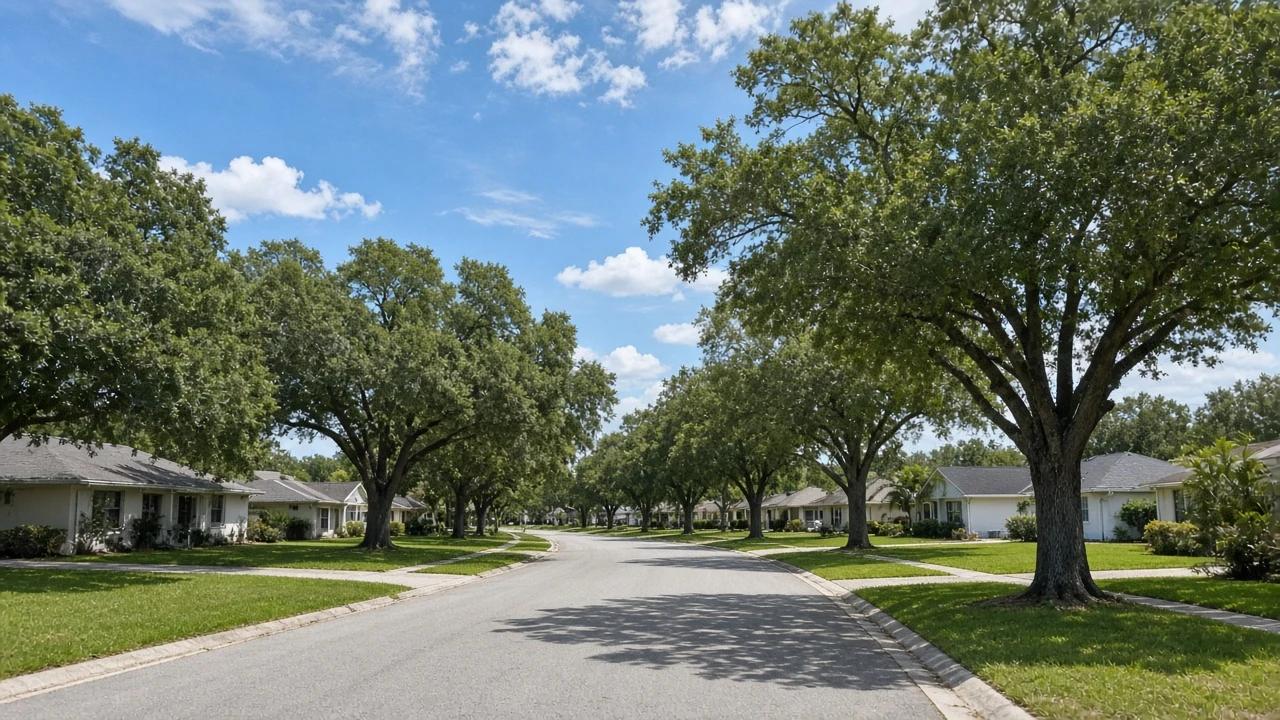
The area appeals to buyers seeking relative affordability, space, and usable amenities without the high mandatory association costs found in many golf and country-club communities. Whether you are considering a purchase or preparing to sell, understanding the community’s character, amenity access, fee structure, and market dynamics will help you evaluate the opportunity clearly. For county-level context, see our Citrus County market overview, Beverly Hills guide, Citrus Hills guide, Pine Ridge guide, Inverness guide, and residential buying services.
What is Citrus Springs like?
Citrus Springs is a large, established planned community in northern Citrus County. It features a broad inventory of single-family homes ranging from older existing residences to active new-construction offerings from multiple builders. Lot sizes and home styles vary, giving buyers options across different budgets and preferences.
A defining characteristic is the absence of mandatory HOA or CDD fees across much of the core community. Deed restrictions exist and are administered, but there is no mandatory homeowners association imposing regular assessments in the traditional sense. The Citrus Springs Civic Association supports community activities. Membership is voluntary; it is not a mandatory HOA. This structure is a significant draw for buyers who prefer lower recurring costs and greater ownership flexibility.
The community includes an 18-hole golf course (Citrus Springs Golf & Country Club), a community center, library, parks, sports fields, and other recreational facilities that support an active residential lifestyle without the layered membership costs of higher-end country-club developments.
Where is Citrus Springs?
Citrus Springs sits in the northern portion of Citrus County. This position provides:
- Convenient access toward Dunnellon and the Rainbow River / Rainbow Springs area to the north
- Reasonable drives to Inverness (the county seat) and the central commercial corridors, including the Lecanto retail corridor
- Proximity to the Withlacoochee State Trail for walking, running, and cycling
- Access to everyday shopping, services, and medical options within Citrus County
The northern location offers a slightly different orientation than the more western river-focused communities (Crystal River and Homosassa) or the central amenity-rich areas around Citrus Hills and Lecanto. Many residents appreciate the balance of space, value, and regional connectivity.
What amenities does Citrus Springs have?
Citrus Springs provides a practical set of community amenities rather than a full resort-style package:
Golf
Citrus Springs Golf & Country Club offers an 18-hole course available to residents and the public. Membership is optional and separate from any community fees.
Recreation and Community Facilities
- Community center with activities and events
- Memorial Library
- Parks, playgrounds, and sports fields (including baseball)
- Public tennis courts
- Access to the Withlacoochee State Trail (a major paved multi-use trail)
The lifestyle is oriented toward practical outdoor recreation, optional golf, and community activities rather than a highly programmed country-club social calendar. The no-mandatory-HOA structure reinforces a more independent residential feel.
Does Citrus Springs have an HOA?
One of the strongest practical advantages of Citrus Springs for many buyers is the fee structure:
- No mandatory HOA fees in the core community
- No CDD assessments in the primary areas
- Deed restrictions exist and should be reviewed, but they are not backed by a mandatory association with regular dues in the typical modern sense
- A voluntary civic association operates for community benefit
Buyers should still verify the specific status of any individual property, as isolated sections or newer pockets could differ. Confirming the absence of mandatory assessments and reviewing any recorded deed restrictions remains an important due-diligence step. If you are preparing to list, Bridge Point’s home selling services can help confirm restriction status and position the home against both resale and new-construction competition.
In Citrus Springs, some homes sit in communities with a mandatory homeowners’ association and others do not. If the home is in one, the buyer must be given a disclosure summary for that community before signing a contract (section 720.401, Florida Statutes). The association must issue an estoppel certificate showing amounts owed within 10 business days of a request (section 720.30851, Florida Statutes).
What is the housing market like in Citrus Springs?
Citrus Springs is one of the more active and attainable markets in Citrus County.
The community benefits from steady buyer interest driven by the combination of relative affordability, available inventory (including new construction), and the low-fee structure. Market conditions reflect the broader county trend toward more balanced inventory and greater buyer negotiating room than the peak seller’s market years. Well-priced, well-presented homes—especially those in good condition or with desirable updates—continue to attract attention. Sellers should also review our Florida home pricing strategy guide before setting a list price.
What should a buyer check before buying in Citrus Springs?
Before buying in Citrus Springs, confirm the fee and restriction status, evaluate new construction vs. existing homes, inspect thoroughly, check flood zone and insurance, consider location within the large community, compare recent closed sales carefully, and work with a local agent familiar with the area.
1. Confirm the fee and restriction status
Verify that the specific property has no mandatory HOA or CDD and review any deed restrictions that apply.
2. Evaluate new construction vs. existing homes
Multiple builders are active. Compare total cost, warranties, energy efficiency, and lot premiums against updated resale options.
3. Inspect thoroughly
For existing homes, pay close attention to roof, HVAC, plumbing, electrical, and any signs of deferred maintenance. Newer homes still warrant standard due diligence.
4. Check flood zone and insurance
Obtain flood zone determination and insurance quotes early, even in inland northern locations. See our flood zones and insurance guide.
5. Consider location within the large community
Proximity to the golf course, community facilities, trail access, or main roads can influence daily convenience and future resale.
6. Compare recent closed sales carefully
Use comparables of similar age, size, condition, and location within Citrus Springs rather than broader county averages.
7. Work with a local agent familiar with the area
An agent who understands the variations across the community and current new-construction options can help identify value and avoid surprises. Bridge Point’s residential buying team regularly advises buyers comparing Citrus Springs with Beverly Hills, Citrus Hills, Pine Ridge, and other inland Citrus options.
Florida insurers must cover catastrophic ground cover collapse; sinkhole-loss coverage is offered for an added premium and can carry its own deductible (section 627.706, Florida Statutes). Ask which applies to the policy quoted for the Citrus Springs home.
How should you sell a home in Citrus Springs?
To sell a home in Citrus Springs, price to current comparable sales, maximize presentation and condition, highlight the practical advantages, differentiate new vs. resale positioning, and be prepared with documentation. The market is value-sensitive.
1. Price to current comparable sales
The market is value-sensitive. Accurate pricing relative to recent closed sales of similar homes is essential for timely results.
2. Maximize presentation and condition
Clean, well-maintained homes with updated kitchens, baths, flooring, or major systems stand out. Address deferred maintenance before listing when possible.
3. Highlight the practical advantages
No mandatory HOA/CDD fees, community amenities, trail access, golf availability, and relative affordability are meaningful selling points for the typical buyer pool.
4. Differentiate new vs. resale positioning
If competing with new construction, emphasize location, lot features, mature landscaping, or completed updates that new homes may not yet offer.
5. Be prepared with documentation
Have any restriction information, survey, and disclosure materials organized to streamline buyer due diligence.
A seller in Citrus Springs must give the buyer a written flood disclosure at or before the time the contract is signed, covering flood damage the seller knows of, flood insurance claims, and federal flood assistance received (section 689.302, Florida Statutes).
What are the pros and cons of living in Citrus Springs?
The main advantages of living in Citrus Springs: no mandatory HOA or CDD fees in the core community; relative affordability compared with many Citrus County alternatives; and active new construction providing modern options. The main drawbacks: fewer resort-style or high-end amenities than communities such as Citrus Hills; and large size means some sections feel more spread out.
Advantages
- No mandatory HOA or CDD fees in the core community
- Relative affordability compared with many Citrus County alternatives
- Active new construction providing modern options
- Practical amenities including golf, community center, parks, and trail access
- Northern location with access toward Rainbow River / Dunnellon as well as the rest of the county
- Larger community scale offering variety in homes and locations
- Appeal to value-oriented buyers, families, and those seeking lower recurring costs
Considerations
- Fewer resort-style or high-end amenities than communities such as Citrus Hills
- Large size means some sections feel more spread out
- Older housing stock in established areas varies widely in condition
- Northern location is farther from the western river and Gulf-oriented lifestyle
- Market is competitive on price; differentiation comes from condition and presentation
Explore Florida market coverage and contact Bridge Point when you are ready for a section-specific plan.
What should buyers and sellers in Citrus Springs know?
Citrus Springs offers a practical, lower-fee residential option in northern Citrus County with a mix of established homes and new construction. The absence of mandatory HOA and CDD assessments, combined with available amenities and relative affordability, makes it an attractive choice for buyers who prioritize value and ownership flexibility over extensive country-club infrastructure.
For buyers, success depends on verifying the fee structure, carefully evaluating condition or new-construction details, and comparing recent sales accurately. For sellers, realistic pricing, strong presentation, and clear communication of the no-mandatory-fee advantage and community amenities are key to attracting qualified interest.
As with any large planned community, property-specific due diligence—restrictions, condition, insurance, and location within the development—matters more than general impressions.
For guidance on buying or selling in Citrus Springs or elsewhere in Citrus County, contact Bridge Point Business & Real Estate Advisors at 352-515-0226 or request a consultation. Local knowledge of the community’s variations, new-construction activity, and current market conditions can help you evaluate options and move forward with greater clarity and confidence.
Sources and further reading
- Citrus Springs Civic Association (voluntary)
- Citrus County Property Appraiser
- FEMA Flood Map Service Center
- The Florida Senate — 2026 Florida Statutes, s. 689.302: Disclosure of flood risks to prospective purchaser
- The Florida Senate — 2026 Florida Statutes, s. 627.706: Sinkhole insurance; catastrophic ground cover collapse
- The Florida Senate — 2026 Florida Statutes, s. 720.401: Disclosure summary for prospective purchasers
- The Florida Senate — 2026 Florida Statutes, s. 720.30851: Estoppel certificates
Questions people ask first
Quick answers to common questions about this topic.
Where is Citrus Springs located?
Citrus Springs is in northern Citrus County, with access toward Dunnellon and the Rainbow River / Rainbow Springs area, reasonable drives to Inverness and central commercial corridors, and proximity to the Withlacoochee State Trail.
Does Citrus Springs have an HOA or CDD?
Much of the core community has no mandatory HOA fees and no CDD assessments. Deed restrictions exist and a voluntary civic association operates. Always verify the specific property, as isolated or newer pockets could differ.
What home prices are common in Citrus Springs?
Citrus Springs is one of the more active and attainable markets in Citrus County. Smaller or older homes can trade lower; updated residences and new construction are higher. Use recent closed sales of similar homes nearby before setting or offering a price.
Is golf membership required?
No. Citrus Springs Golf & Country Club is an 18-hole course available to residents and the public. Membership is optional and separate from community fees.
What amenities does Citrus Springs offer?
Optional golf, a community center, Memorial Library, parks, playgrounds, sports fields, public tennis courts, and access to the Withlacoochee State Trail. The package is practical rather than resort-style.
Should I buy new construction or a resale?
Compare total cost, warranties, energy efficiency, and lot premiums on new homes against updated resales with mature landscaping or completed improvements. Condition and location within the large community matter as much as age.
How does Citrus Springs compare with Beverly Hills or Citrus Hills?
Citrus Springs is a large northern community with low/no mandatory fees, optional golf, and active new construction. Beverly Hills is a more central, older, value-oriented neighborhood. Citrus Hills is a premium multi-village golf and wellness community with layered membership costs.
Talk with Bridge Point
Considering a purchase or sale in this market? Local guidance can make a meaningful difference.
Schedule a consultation